
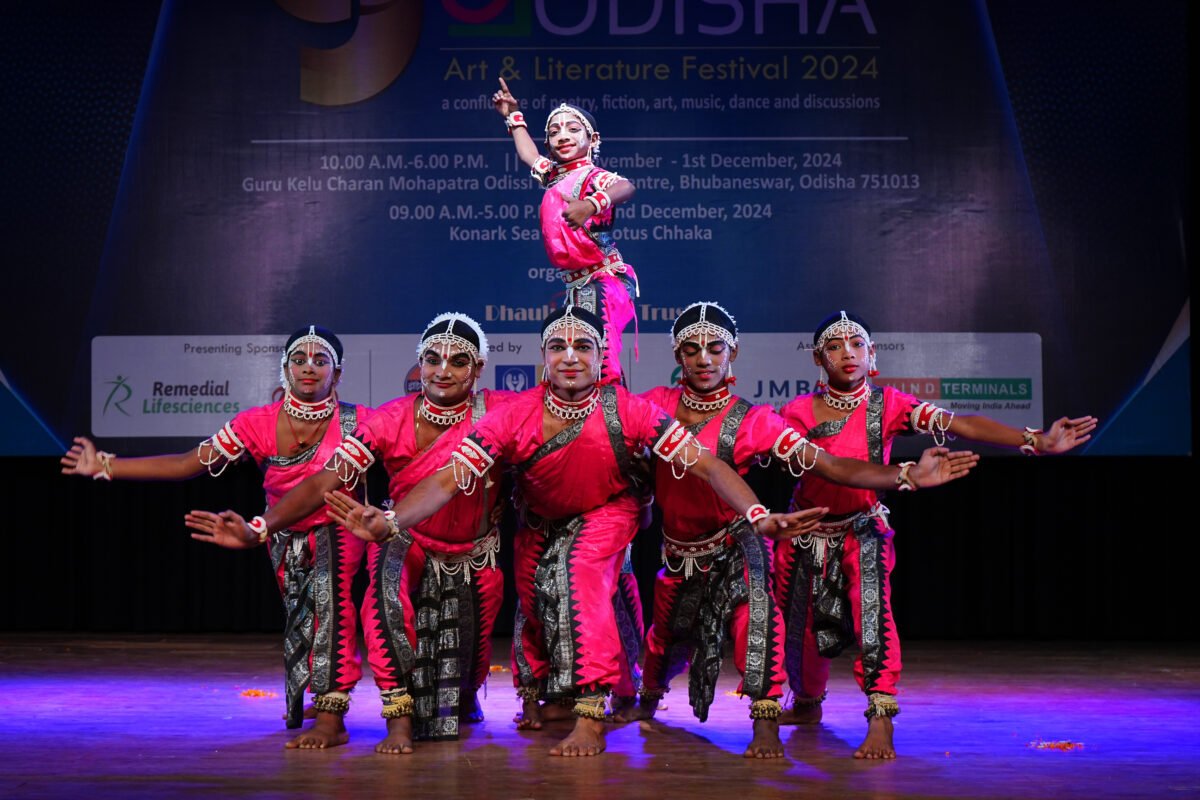
Gotipua Dance Heritage
Gotipua is a traditional dance form from the eastern Indian state of Odisha, known for its deep spiritual and cultural roots. Uniquely performed by young boys dressed as females, this art form celebrates devotion to Lord Jagannath and Lord Krishna.
Dating back to the 16th century, Gotipua emerged as a way to preserve sacred dance traditions when the Devadasi system began to decline. These young artists are trained in classical movements, intricate expressions, and acrobatic postures, making Gotipua a precursor to the classical Odissi dance.
Villages like Raghurajpur continue to keep this tradition alive, passing it
from generation to generation through dedicated Gurukuls and dance schools.
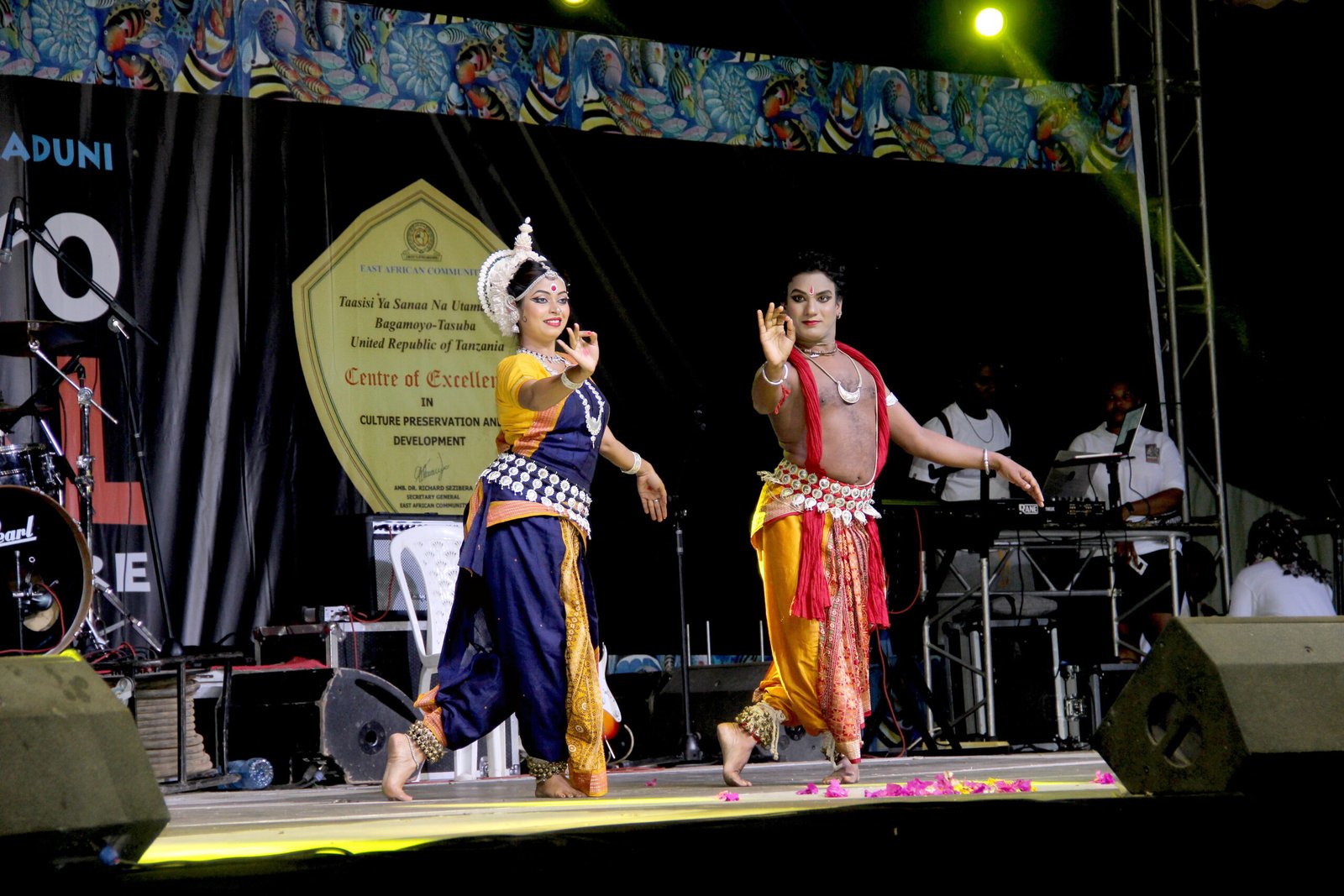
Odissi Dance
Odissi: The Classical Dance of Odisha
Odissi is one of the oldest surviving classical dance forms of India, originating from the eastern coastal state of Odisha. With a rich history spanning over 2,000 years, Odissi traces its roots to the ancient Odhra Magadha style of dance mentioned in Bharata Muni’s Natya Shastra, one of the foundational texts on Indian performing arts.
Historical Origins
Archaeological evidence from the 2nd century BCE, such as the intricate
sculptures found in the Udayagiri and Khandagiri caves, reveals Odissi’s early presence as a temple dance tradition. In ancient times, it was primarily performed by Maharis — temple dancers who dedicated their art to divine worship, especially in the service of Lord Jagannath at the Puri Temple.
Over time, the dance form experienced a period of decline due to changing social and political circumstances. However, it witnessed a remarkable revival in the mid-20th century, led by a group of devoted gurus and scholars who codified its techniques, restored its repertoire, and reestablished it as one of India’s major classical dances.
The Gotipua Tradition
To keep the art alive during its decline, young boys known as Gotipuas were trained to perform Odissi. Dressed as women, they carried forward the tradition through temple performances and public entertainments. Many of the later Odissi maestros were once Gotipua dancers, linking this tradition directly to the modern Odissi form.
Cultural and Spiritual Essence
Odissi (ଓଡ଼ିଶୀ), also referred to as Orissi in older texts, embodies grace, spirituality, and devotion. Traditionally performed by women, it expresses religious stories and spiritual ideas — primarily associated with Vaishnavism, depicting the divine love between Lord Jagannath (Krishna) and his devotees.
The dance’s music is based on Odissi ragas and talas, with compositions by ancient poets and saints of Odisha. Beyond Vaishnavism, Odissi also celebrates other Hindu traditions, representing deities such as Shiva, Surya, and the Shakti goddesses, showcasing the dance’s inclusive spiritual depth.
Conclusion
Today, Odissi stands as a vibrant symbol of Odisha’s cultural identity, combining intricate footwork, graceful movements, and deeply expressive storytelling. From temple sanctuaries to global stages, Odissi continues to enchant audiences, embodying the timeless rhythm of devotion, beauty, and heritage.
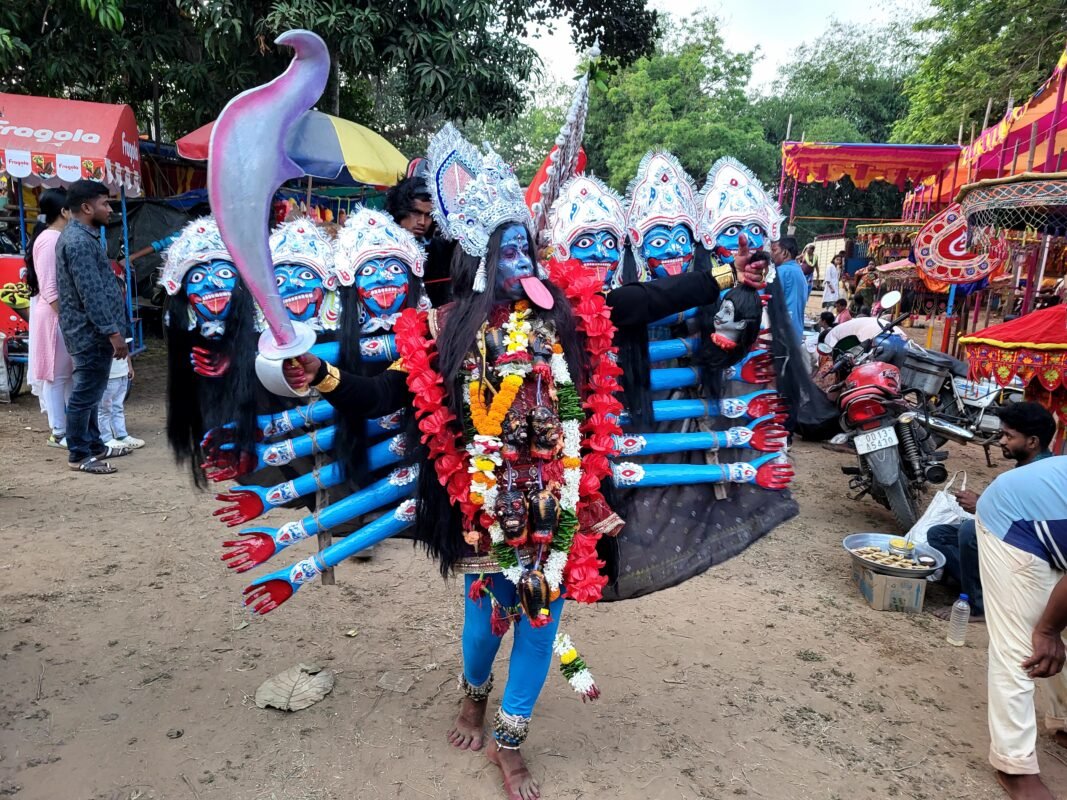
Sahi Jata Dance
Sahi Jata Dance: The Martial Folk Tradition of Puri
Sahi Jata Dance is one of the most vibrant and traditional folk performances of Puri, Odisha. It is a martial dance-drama form that celebrates the victory of good over evil, performed during the sacred festival of Rama Navami. Deeply rooted in the cultural and religious life of Puri, this dance beautifully blends devotion, valor, and dramatic expression.
Historical Background
The word “Sahi” refers to the localities (wards) of Puri town, and “Jata” means a procession or performance. Historically, the Sahi Jata originated during the medieval period, believed to have been introduced
This traditional art form is not just a dance but a community festival, showcasing the unity and cultural spirit of Puri’s people.
Performance and Rituals
The Sahi Jata performances are spread over several days following Rama Navami, and each sahi (locality) performs its unique role. The event involves:
-
Dramatic Depictions: Episodes from the Ramayana, such as the battle between Rama and Ravana.
-
Martial Displays: Traditional warriors exhibit skills in sword fighting, acrobatics, and physical agility, symbolizing courage and righteousness.
-
Colorful Processions: Performers wear elaborate costumes, masks, and headgear, creating a visual spectacle that fills the streets of Puri with energy and devotion.
-
Music and Drums: Traditional instruments like mrudanga, ghanta, nagara, and kahali enhance the rhythmic and devotional atmosphere.
Cultural and Spiritual Essence
Sahi Jata Dance is not merely a form of entertainment — it is a living tradition of devotion and discipline. The performers undergo ritual purification, fasting, and spiritual preparation before participating. The dance thus reflects not only artistic excellence but also spiritual dedication and community pride.
It serves as a reminder of the timeless message of dharma (righteousness), depicting how courage and faith can overcome evil.
Modern Significance
Today, Sahi Jata continues to thrive as a major attraction in Puri’s cultural calendar. It draws both locals and visitors who witness the dynamic fusion of theatrical art, martial skill, and devotional expression. The festival sustains traditional values while inspiring younger generations to take pride in Odisha’s glorious heritage.
Conclusion
The Sahi Jata Dance stands as a unique cultural expression of Puri’s living heritage, combining devotion, drama, and martial vigor. Through this age-old tradition, the people of Puri continue to celebrate Lord Rama’s triumph of good over evil, keeping alive the spiritual rhythm of Odisha’s sacred land.
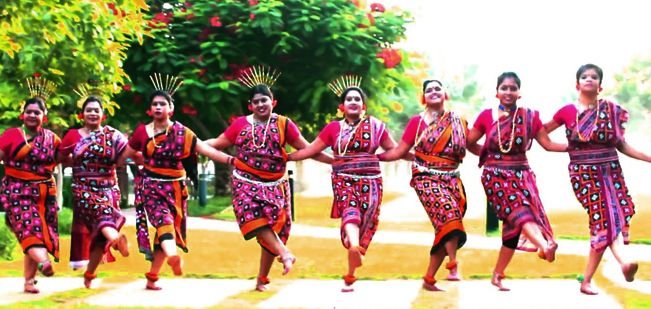
Sambalpuri Dance
Sambalpuri Dance originates from the western region of Odisha, particularly from the districts of Sambalpur, Bargarh, Balangir, and Sonepur. Deeply rooted in the folk traditions of the Sambalpuri-speaking communities, this dance form reflects the vibrant spirit, simplicity, and cultural depth of rural Odisha.
Cultural Roots and Significance
Evolving as an essential part of festivals, harvest celebrations, and social gatherings, Sambalpuri Dance embodies the joy, devotion, and communal harmony of the people. The rhythmic movements, accompanied by traditional Dhol, Nishan, Tasha, and Mahuri instruments, express gratitude to nature for its bounty and celebrate life’s simple pleasures.
Historical and Social Context
Historically, Sambalpuri Dance has been a vital element of tribal and agrarian life in western Odisha. Its steps and gestures are inspired by everyday rural activities, such as farming, harvesting, and worship. This gives the dance a uniquely authentic and relatable quality, making it an artistic reflection of the people’s daily rhythm and emotions.
Cultural Expansion and Modern Recognition
Over time, the charm and energy of Sambalpuri Dance have transcended regional boundaries. It has gained widespread recognition beyond Odisha and is now celebrated across India and internationally. Today, it features prominently in cultural festivals, national events, and global performances, serving as a lively symbol of Odisha’s folk heritage and its enduring cultural identity.
Conclusion
Sambalpuri Dance stands as a vivid expression of Odisha’s soul — blending devotion, community spirit, and connection with nature. With its powerful rhythms, colorful attire, and spontaneous joy, it continues to captivate audiences and uphold the rich traditions of western Odisha.
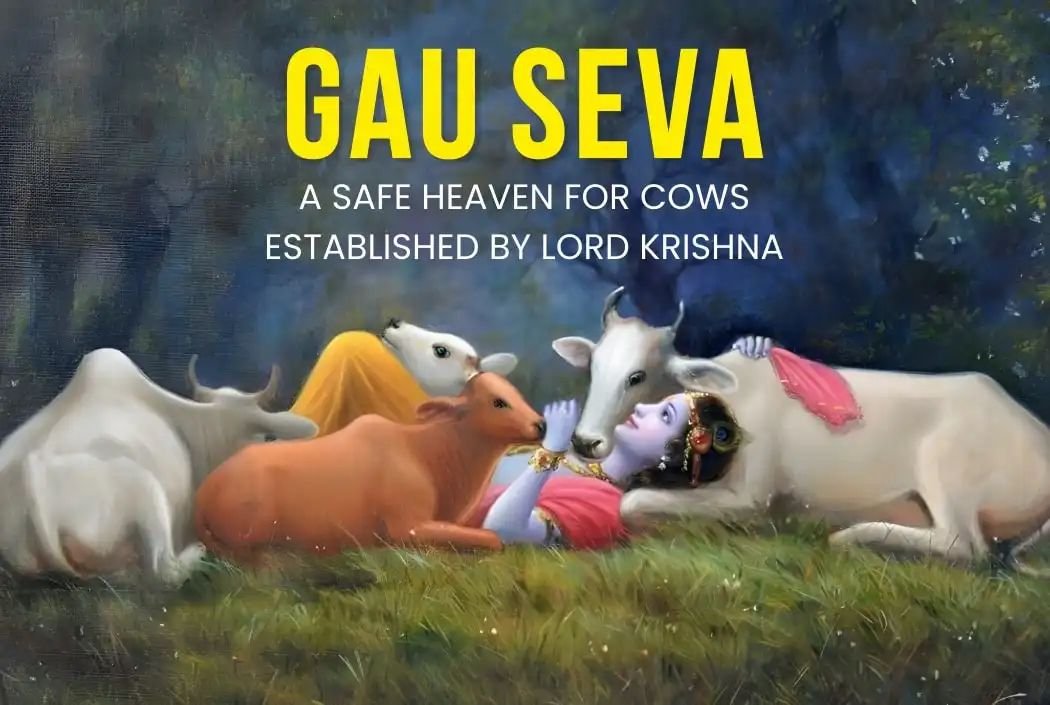
Gau seva
Spiritual and Cultural Significance
The practice of Gau Seva is deeply connected with the principles of ahimsa (non-violence), compassion, and gratitude. Cows have been an integral part of India’s agrarian life — providing milk, dung, and labor, while symbolizing prosperity and purity. Caring for and protecting cows is therefore viewed not only as a religious duty but also as a way of expressing respect for nature’s balance and harmony.
In scriptures such as the Vedas, Puranas, and Mahabharata, the cow is praised as “Kamadhenu”, the wish-fulfilling divine cow. Offering service to her through feeding, sheltering, or simply showing kindness is believed to cleanse one’s heart, bring spiritual merit, and attract divine blessings.
Forms of Gau Seva
-
Feeding Cows: Offering green fodder, jaggery, grains, or fresh grass as a gesture of reverence and love.
-
Providing Shelter: Supporting or maintaining Gaushalas (cow shelters) that care for abandoned, sick, or old cows.
-
Health and Protection: Assisting in medical care, cleanliness, and protection of cows from harm or exploitation.
-
Environmental Contribution: Utilizing cow dung and urine for organic farming, natural fuel, and eco-friendly products, promoting a sustainable way of life.
Modern Relevance
In today’s time, Gau Seva continues to be a bridge between tradition and sustainability. Through the protection of cows, communities preserve India’s cultural ethos while also supporting eco-conscious living. Many individuals and organizations across India actively engage in cow welfare, combining ancient wisdom with modern compassion.
Conclusion
Gau Seva is not merely an act of worship — it is a way of life rooted in kindness, gratitude, and respect for all living beings. Serving the cow means serving the divine creation itself, nurturing both spiritual growth and environmental balance.
Ghanta Mardala Dance
Ghanta Mardala in Puri
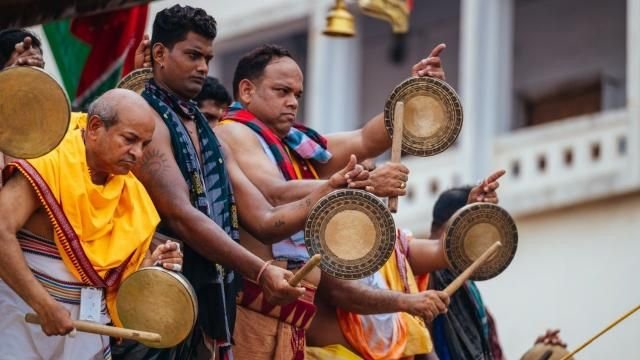
“Ghanta Mardala” refers to the traditional musical ensemble of Puri, featuring two key instruments — the ghanta (cymbals or gong) and the mardala (a classical percussion drum). This ensemble holds immense religious and cultural significance in the rituals and festivals of the Jagannath Temple, especially during the world-famous Rath Yatra.
Role in Temple Rituals and Festivals
Pahandi Procession:
During the Pahandi ritual — the grand ceremonial procession in which Lord Jagannath, Lord Balabhadra, and Devi Subhadra are carried from the temple to their chariots — the entire atmosphere reverberates with the rhythmic sounds of the ghanta and mardala, accompanied by other instruments like the kahali (trumpet).
Daily Worship:
The playing of ghanta and mardala is an essential part of the daily rituals in the temple. These instruments often accompany the graceful dance performances of the Maharis (temple dancers, considered the ancestors of modern Odissi dancers), particularly during sacred moments such as the Bada Shingara or bedtime rituals of the deities.
Cultural Significance:
The unique sound patterns of the ghanta and mardala are deeply intertwined with the spiritual and cultural life of Puri. They help create an atmosphere of devotion and reverence, enhancing the divine experience during the worship of Lord Jagannath.
Folk and Classical Dance:
Beyond temple rituals, these instruments also play a key role in Odisha’s performing arts. They are featured in traditional folk forms like the Ghanta Mrudangam tribal dance and serve as essential percussion accompaniments in Odissi classical dance performances.
Conclusion
The Ghanta Mardala ensemble represents far more than just musical instruments — they are a living symbol of Puri’s sacred traditions, embodying the rhythmic pulse of devotion that has echoed through the Jagannath Temple for centuries.
Our Mission
To preserve, promote, and celebrate the heritage of Gotipua dance by empowering young artists, educating the public, and building awareness around this unique cultural art form.
Our Vision
To see Gotipua dance recognized globally as a living cultural treasure, inspiring future generations and serving as a symbol of Odisha’s rich artistic legacy.